
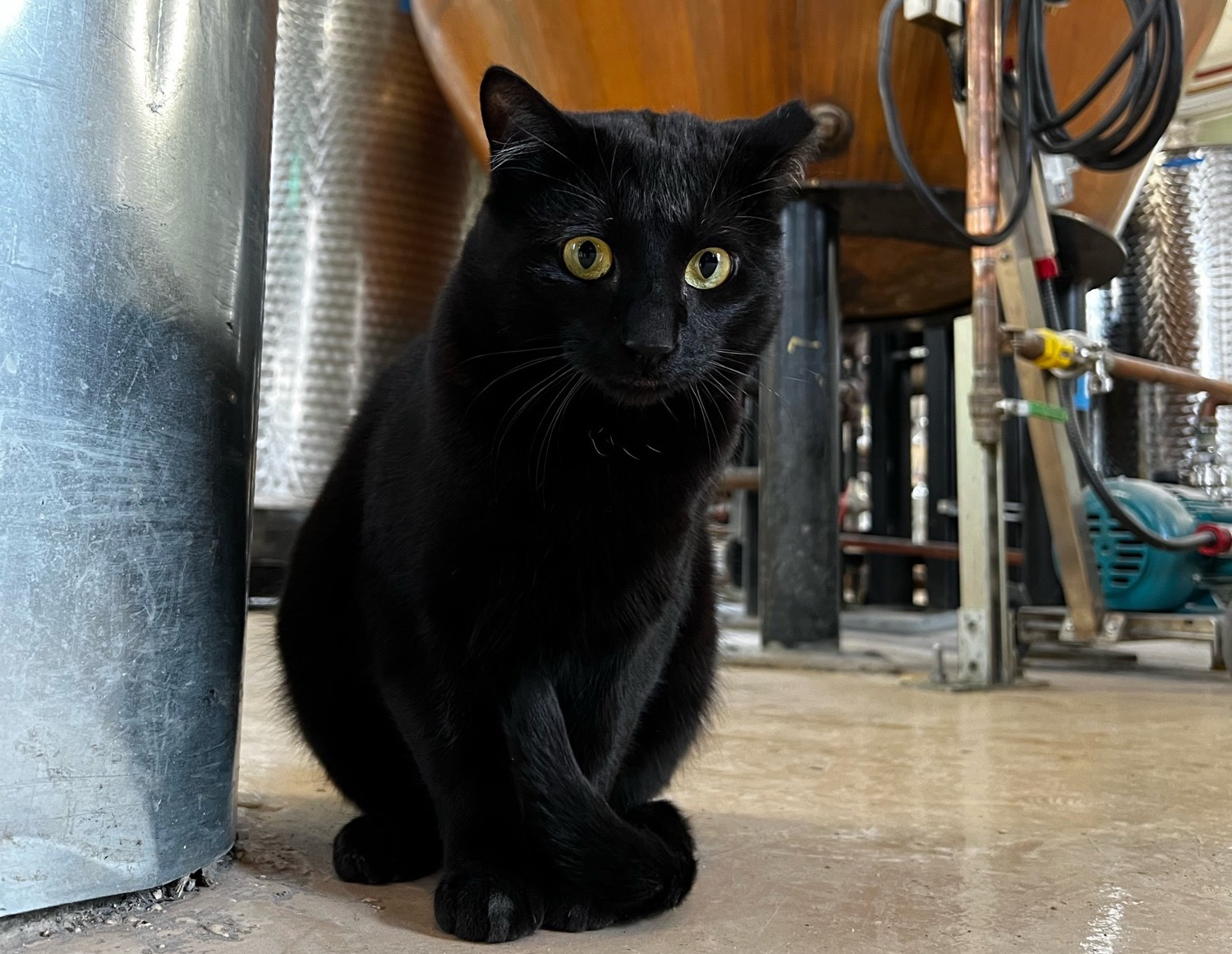
Sometimes called barn cats or outdoor cats, these cats are not suited for a traditional indoor home and instead live in barns, workshops, gardens, police stations, and other settings that need a natural, effective means of keeping the rodent population under control.
Interested in adopting a working cat? Please fill out the Working Cat Interest Form and reach out to [email protected] to talk to a member of our team!
Yes! All working cats are spayed/neutered, vaccinated, and ready to get to work!
When you bring your working cats to their new home, they will need to be confined to a room or enclosure like a bathroom, garage, or large dog crate for 4-6 weeks while they acclimate to their new surroundings. You will provide food and water and clean the litter pan daily during this acclimation period. At the end of this period, the cats will usually accept their new home and may be released. You will continue to provide daily food and water and allow them access to shelter such as your barn, shop, or garage.
Cats are motivated by food and security. While they are confined to a small area for 4-6 weeks, they feel safe and learn that you will provide them with food and a warm place for shelter. Every time the cats see you feed them and hear you speaking to them, they make positive associations with you and their new home.
Please be aware that even if you carry out the relocation process perfectly for 6 full weeks, some cats will still run away permanently upon opening the door to the enclosure. Statistics show that 90% will stay if confined for 4-6 weeks, while 75% will stay if confined for just 2 weeks.
Usually not. Sometimes feral cats warm up to their caretakers and allow some handling, but don’t expect this. Never try to handle one of your working cats unless you are sure they will allow it. With all cats, pet and feral, always let the cat be the guide.
We may have working cats who are on the friendlier side, so if you have a temperament preference, let us know, and we will try to accommodate.
Feral cats do not want to hurt you; they just want to avoid you! It is extremely rare for a feral cat to attack or lunge unless they are distressed or in pain. Please move slowly and be aware when caring for the cats in their relocation crate or room.
Unfortunately, we can’t accommodate this. If you have a color or gender preference, we can try to accommodate you, but we will be limited by the cats we have available at the time.
We do not place kittens under 16 weeks into our working cats program for their safety.
Adopting working cats in pairs (or more) greatly improves the odds that they will stay around after the acclimation period, and they generally are happier and better adjusted. If you already have cats, introducing new cats in pairs will help them feel less alienated from the rest of the colony.
Your working cats can be humanely trapped and taken to a vet for routine vaccinations or to care for them when they are sick or injured. ACC can loan you traps if you don’t have your own. Stress affects cats greatly, and trapping and transporting is very stressful for a feral cat, so you should weigh the costs and benefits with your own veterinarian and decide what level of care you want to provide. Always be prepared to trap and help your working cats should they become sick or injured.
Adoption fees are waived for working cats. You will be responsible for the cats' food, shelter, and necessary veterinary care. Donations are always welcome and greatly appreciated so that ACC can continue our lifesaving work.
Great! Fill out the Working Cats Interest Form or email [email protected], and a member of our Working Cats team will be in touch soon!